There are few events in the world quite like the San Fermín festival. Every summer, Pamplona transforms itself into one of the most electrifying places on the planet — and from 6 to 14 July 2026, that magic happens again. Nine days of non-stop celebration, tradition, music, gastronomy and, of course, the iconic Running of the Bulls have made San Fermín a bucket-list event for travellers from every corner of the globe.
Whether you’re planning your first visit or you’re a returning Sanferminero, this guide covers everything you need: key dates, the complete programme, practical tips, and — crucially — where to stay in Pamplona so you can actually enjoy the festivities instead of surviving them.
San Fermín 2026 Dates: When Does the Festival Start and End?
The San Fermín festival always runs from 6 to 14 July. In 2026, that means the festivities kick off on a Monday, 6 July with the famous Chupinazo opening ceremony, and close on the night of Tuesday, 14 July with the emotional ‘Pobre de Mí’ farewell.
Nine straight days of celebration, with something happening every single hour. The city barely sleeps — and each day has its own rhythm, from the Running of the Bulls at 8 a.m. sharp to midnight fireworks.
| 📅 Practical tip: In 2026, most of the festival falls on weekdays. This can work in your favour for accommodation availability. The weekend of 10–12 July will likely see the highest demand — prices and crowds peak then. |
The Chupinazo: The Moment Everything Begins
At 12:00 noon on 6 July, a rocket is fired from the balcony of Pamplona’s Town Hall, and thousands of people erupt in the Plaza Consistorial. That moment is the Chupinazo — the official start of San Fermín.
If you’ve ever seen images of crowds drenched in cava and txakoli (Basque white wine), with red scarves raised to the sky and people laughing and crying at the same time — that’s exactly what it is. Photographs and videos capture it, but they can’t quite replicate the wall of sound and emotion. Ernest Hemingway described something similar in The Sun Also Rises, and over a century later, the feeling hasn’t changed.
| 💡 Tips for the Chupinazo: • Arrive by 9:00–10:00 a.m. if you want a spot in the main square — access closes when it fills up. • Can’t get in? Giant screens are set up at Paseo de Sarasate, Plaza de los Fueros and Parque de Antoniutti. • Wear white — you will get soaked. Wear clothes you don’t mind ruining. • Keep the red scarf tied loosely around your neck, not knotted — tradition says you don’t tie it until the rocket fires. |
The Running of the Bulls: Everything You Need to Know
The encierro — the Running of the Bulls — is the most globally recognised image of San Fermín, and with good reason. Each morning from 7 to 14 July, at exactly 8:00 a.m., six fighting bulls and six steers charge through 849 metres of Pamplona’s old town streets to reach the bullring.
The run typically lasts between two and four minutes. In those minutes, hundreds of runners sprint ahead of the bulls through narrow cobblestone streets. It’s part adrenaline rush, part ancient tradition, and part communal ritual — far more nuanced than the extreme sport it can appear to be on international news.
The Route
The route has not changed in centuries, and each section has its own character:
- Santo Domingo Hill: The start. Bulls charge uphill with maximum energy — the fastest and most dangerous section.
- Town Hall Square: A brief, wider stretch where the bulls tend to move as a tight group.
- Calle Mercaderes: The notorious corner where bulls drift wide due to inertia — one of the most photogenic (and most dangerous) spots.
- Calle Estafeta: The longest straight section, where experienced runners take their best runs. The classic San Fermín image.
- The Callejón and Bullring: The final funnel into the arena, where the crowd inside gives a deafening reception.
Can I Watch Without Running?
Absolutely — and most people do. You have several options:
- Along the barriers: Free, but you need to be in place by 6:00–6:30 a.m. to secure a good viewing spot.
- Rented balconies: Buildings along the route rent their balconies — expensive, but an extraordinary view.
- On television: TVE (Spain’s national broadcaster) airs each run live every morning.
- The bullring stands: You can buy tickets to watch the bulls enter the ring at the end of the run — a great option for first-timers.
| 📌 First-timer recommendation: Watch the run before considering participating. Understanding the route, pace and how the bulls behave makes all the difference. There will always be another morning to run — but you can’t un-run a first run. |
Much More Than Bulls: The Complete San Fermín Programme
Reducing San Fermín to the Running of the Bulls is like visiting Paris and only seeing the airport. The festival is extraordinarily rich. Here is what to expect each day:
7 July: The Day of San Fermín (Feast Day)
After the first Running of the Bulls, a solemn procession honours the patron saint through the old town. The statue of San Fermín is carried through the streets accompanied by the city’s authorities, giants and big-heads. For many Pamploneses, this is the most important moment of the whole festival — a reminder of the deep religious and cultural roots beneath all the celebration.
Giants and Big-Heads (Gigantes y Cabezudos)
Every morning at 9:30, the Comparsa de Gigantes y Cabezudos parade through the streets. The giants — over four metres tall, representing kings and queens from different parts of the world — are spectacular. The Kilikis (big-heads) chase children with padded clubs; it sounds terrifying, but it’s a beloved tradition that children (mostly) adore.
Beyond the programme itself, Pamplona has plenty to explore between festival acts. See our guide to what to do in Pamplona in a weekend.
Concerts and Music
Live music is everywhere, from dawn to well past midnight. The main stages: • Plaza del Castillo: main headliners • Plaza de los Fueros: rock and indie • Plaza de la Compañía: jazz and swing • Paseo de Sarasate: traditional Navarrese jota music The festival bands (peñas) roam the city at all hours with charangas (brass bands). Dianas — morning brass-band wake-up calls — start at 6:30 a.m. every day. The official 2026 concert programme has not yet been published at the time of writing — we will update this guide as soon as it is available.
Bullfights
Each afternoon from 7 to 14 July, the bulls that ran in the morning are fought in Pamplona’s Plaza de Toros — one of Spain’s largest bullrings, with capacity for over 19,000 spectators. Corridas begin at 6:30 p.m.
The ‘Pobre de Mí’ Farewell
On the night of 14 July at midnight, the festival ends. Thousands gather in the Town Hall Square holding lighted candles to sing ‘Pobre de Mí’ (Poor Me) — a farewell that has moved even the most unsentimental visitors to tears. People untie their red scarves and count down to the following year. Even if you only witness one moment of San Fermín, try to make it this one.
Eating and Drinking During San Fermín
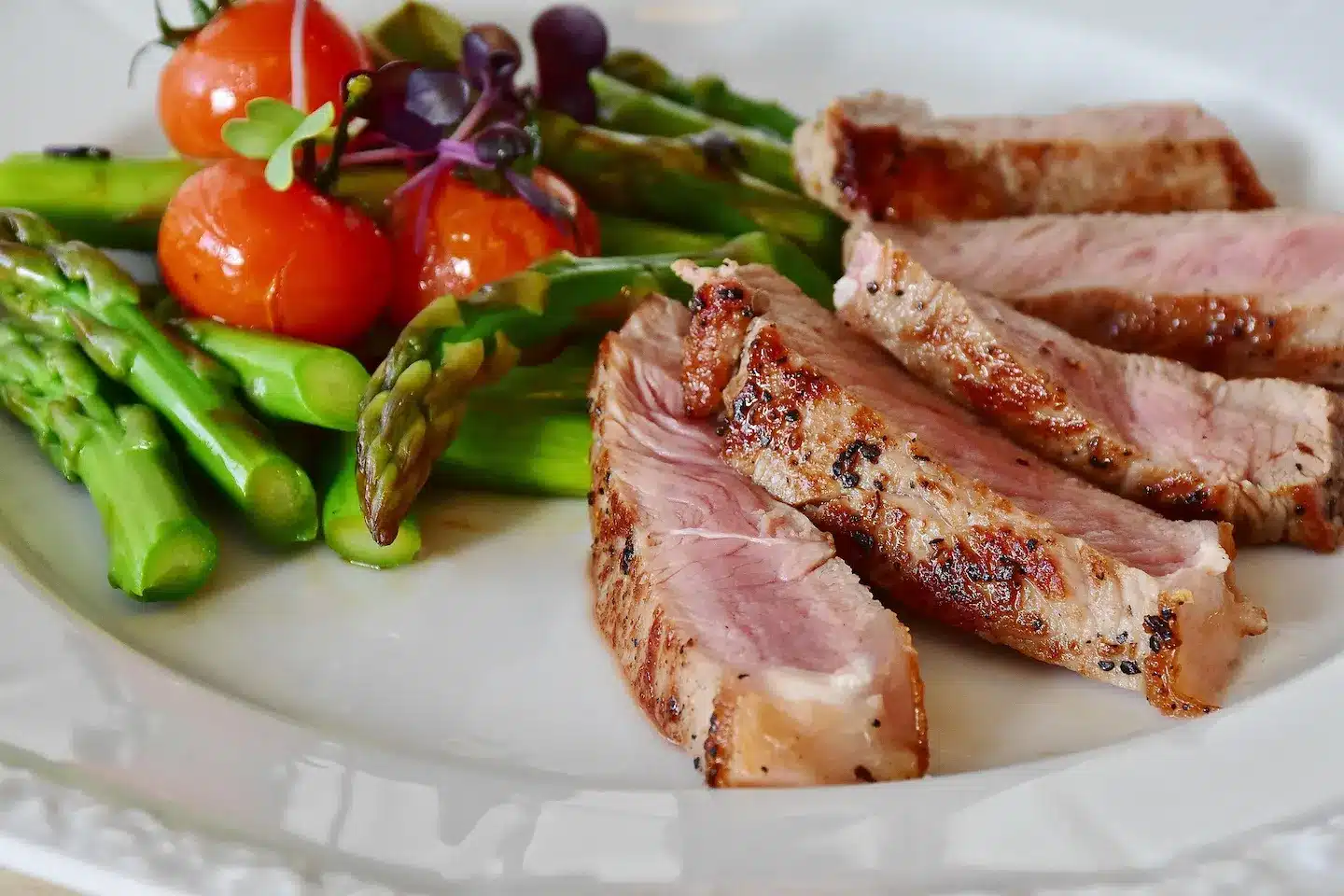
The festival is also a great excuse to eat extremely well. A few unmissable culinary experiences:
- Bull stew (estofado de toro): A hearty stew made with bullfighting bull meat — many restaurants prepare it during the festival days only.
- Pochas: Fresh white beans, a classic of Navarrese cuisine, slow-cooked with chorizo and vegetables.
- Chistorra: A thin, paprika-rich sausage served in a bread roll or wrapped in corn tortilla (talo) — the perfect street food.
- Pintxos: Pamplona’s answer to tapas. The bars of the old town compete fiercely during San Fermín — the quality is exceptional.
Pamplona’s bars of the old town compete fiercely during San Fermín — the quality is exceptional. Discover the best places to eat in Pamplona before you arrive
| 🏠 Home advantage: Staying in one of our apartments means you have a fully equipped kitchen. During San Fermín, restaurant queues are long and prices are high. Being able to cook a simple breakfast before the 8 a.m. run, or prepare a light dinner after a marathon day, makes a genuine difference to how you experience the festival. |
Practical Tips for San Fermín 2026
After years of welcoming guests during the festival, here is what we have learned from listening to hundreds of visitors:
- Dress code: White trousers, white shirt, red waistband (faja) and red neckerchief. Don’t tie the scarf until the Chupinazo fires. Wear clothes you are willing to sacrifice — the combination of cava, sangria, and general festivity is unforgiving to white fabric.
- Footwear: Closed, comfortable trainers. You will walk enormous distances. No flip-flops, no heels.
- Security: Carry minimum — a little cash and your phone. Leave passport and credit cards at the apartment. Pickpockets work the crowds.
- Hydration: July in Pamplona can be hot (though evenings cool down thanks to the Navarrese climate). Drink water between drinks. Your future self will thank you.
- Book early: Accommodation fills months in advance. If you are reading this and do not yet have a reservation, act now.
Where to Stay During San Fermín: Why the Right Accommodation Changes Everything
Here is an honest tip you won’t find in most tourist guides: rest is everything. San Fermín lasts nine days. If you want to watch the Running of the Bulls at 8 a.m., do pintxos at midday, attend the bullfight at 6:30 p.m., and enjoy concerts until 2 a.m. — you need to sleep.
Sleeping in the old town during San Fermín is nearly impossible. The festival runs 24 hours a day: brass bands pass under your window at 4 a.m., and the noise is constant and relentless. Many visitors who book old-town accommodation for the ‘atmosphere’ spend the week exhausted and regretting it.
Our apartments in Pamplona are located in the Pío XII district — a quiet residential neighbourhood beside Parque Yamaguchi and the Clínica Universidad de Navarra. It is calm enough to sleep properly, but perfectly connected to the centre via the villavesas (Pamplona’s city buses), which increase their frequency during San Fermín. You can be in the Plaza del Castillo in under ten minutes.
Why an Apartment over a Hotel for San Fermín?
- Space: Our apartments sleep 1 to 8 guests across 1–4 bedrooms — ideal for families or groups sharing costs without sacrificing privacy.
- Kitchen: Cook your own breakfast before the morning run. Prepare dinner after an intense day. Save money, skip queues.
- Flexibility: No meal-service timetables, no hotel check-in windows. Come and go at your own pace.
- Price: Split across a group, a well-equipped apartment is significantly cheaper than multiple hotel rooms.
- Rest: Residential neighbourhood = real sleep. You choose when the party starts and ends — when you walk out the door.
What’s included in all apartments: ✔ Parking in the same building (€20/night during San Fermín) ✔ Free Wi-Fi ✔ Bed linen and towels included ✔ Fully equipped kitchen ✔ Direct personalised service — no middlemen ✔ Reception during festival hours |
Booking Conditions for San Fermín 2026
San Fermín has specific booking conditions that differ from our standard rates. Please read carefully:
| Condition | Detail |
| Festival period | 5 to 15 July 2026 |
| Deposit on booking | 30% of total amount |
| Remaining balance due | Before 1 May 2026 (70%) |
| Cancellation before 1 May | 30% deposit retained |
| Cancellation after 1 May | 100% of total charged |
| Check-in | From 13:00. Reception open Mon–Fri 09:00–23:00, Weekends 10:00–14:00 & 17:00–23:00 |
| Check-out | By 12:00. No late check-out during San Fermín (luggage storage available at reception) |
| 🔴 Availability warning: San Fermín apartments sell out months before July. If you haven’t booked yet, check availability now at alojamientosenpamplona.com/en/san-fermin-pamplona/ or call us on +34 948 250 250. |
Frequently Asked Questions About San Fermín 2026
When is San Fermín 2026?
From Monday 6 July to Tuesday 14 July 2026 — nine consecutive days.
What time is the Chupinazo?
On 6 July at 12:00 noon, from the balcony of Pamplona’s Town Hall (Plaza Consistorial).
What time is the Running of the Bulls?
Every morning from 7 to 14 July at exactly 8:00 a.m. The run typically lasts 2–4 minutes.
Can I watch the Running of the Bulls without running?
Yes. Most spectators watch from behind the barriers along the route (arrive by 6:00–6:30 a.m. for a spot), from rented balconies, or live on TVE (Spanish national television).
Do I need to run to experience San Fermín?
Not at all. The encierro is just one element of an enormous festival. The procession, giants, concerts, gastronomy, and general atmosphere offer equally unforgettable experiences.
Is San Fermín safe for children?
Yes, many families attend. The giants parade, street performers, fireworks and children’s activities are excellent for younger visitors. Avoid the most crowded night zones.
How do I get from the Pío XII area to the old town?
The villavesas (city buses) connect Pío XII to the centre in under 10 minutes — frequency increases during the festival. It’s also a pleasant 20–25-minute walk to Plaza del Castillo.
What should I wear?
White trousers, white shirt, red waistband (faja) and a red neckerchief (pañuelo). Don’t knot the scarf until the Chupinazo fires. Wear comfortable closed shoes — no flip-flops.
Ready to experience San Fermín 2026? Check availability for our Pamplona apartments → Pamplona accommodation for the running of the bulls Questions? Call or WhatsApp: +34 948 250 250 | info@gestiondealojamientos.com |